Protein, creatine, omega 3: long-term performance verdict
Search “best supplements for long-term performance” and the same three names come back every time. Protein. Creatine. Omega 3.
They’re right. Those three have the strongest evidence base in all of sports supplementation. Hundreds of RCTs each, position stands from the International Society of Sports Nutrition, findings that have held up across decades of replication.
They’re also the smallest part of the picture.
Why the big three earn the top spot
Each one shows up on evidence lists for a reason.
Protein drives muscle protein synthesis and defends lean mass as you age. The ISSN position stand recommends 1.4 to 2.0g per kg per day for physically active adults, with leucine-rich distribution across 3-4 meals (Jäger et al., Journal of the International Society of Sports Nutrition, 2017). The mechanism is unambiguous. The research is thick on the ground.
Creatine monohydrate is the most studied supplement in sports science. Meta-analyses show consistent strength, power, and lean mass gains at 3 to 5g per day, with emerging evidence for cognitive and neuroprotective benefits (Kreider et al., Journal of the International Society of Sports Nutrition, 2017). If you are only taking one performance supplement, it is this one.
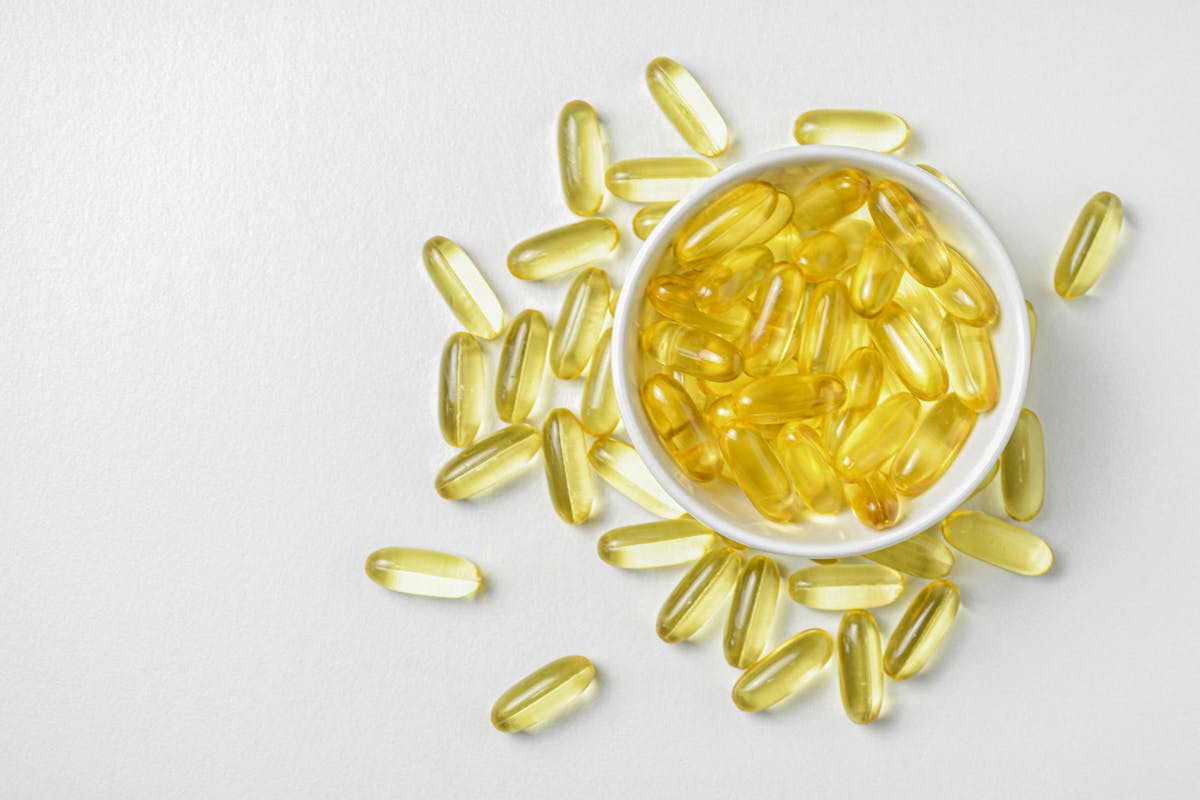
Omega 3, specifically EPA and DHA from marine or algal sources, has a body of cardiovascular, anti-inflammatory, and cognitive research that is hard to dismiss. Pooled analyses of large prospective cohorts find the omega 3 index inversely associated with all-cause mortality. The mechanism runs through membrane phospholipids, eicosanoid signalling, and gene expression.
Three supplements, three clean mechanisms, three decades of data. Earned.
Where the big three stop
Protein, creatine, and omega 3 are inputs. Inputs need machinery to run on. The machinery is micronutrient-dependent, and that is where most long-term stacks collapse.
Protein synthesis is not a free reaction. The transamination and deamination steps that shuttle amino acids into muscle depend on vitamin B6 as pyridoxal 5-phosphate, the active form. Zinc is a cofactor for more than 300 enzymes, including the ones that regulate testosterone, IGF-1, and DNA repair in trained tissue. Magnesium runs the ATP-dependent steps inside ribosomal protein synthesis. If any of those are low, 2.0g of protein per kg is going into a system that cannot fully use it.
Creatine regeneration depends on the creatine kinase cycle. That cycle depends on magnesium-bound ATP. You can saturate your creatine stores and still underperform if your magnesium is below adequate. NHANES data puts roughly 48% of American adults below the Estimated Average Requirement for magnesium. The 4% absorption rate of magnesium oxide, the form in most multivitamins, does not help. The signs that your magnesium is running low are usually subtle before they are loud.
Omega 3 incorporation depends on cofactors most men never think about. Vitamin E as mixed tocopherols protects the PUFAs from oxidation before they get embedded in membranes. Selenium runs the glutathione peroxidase system that keeps the fatty acids functional once they are there. Omega 3 without antioxidant cover is a slightly nicer lipid profile, not a performance tool.
None of this means drop the big three. It means you have been pouring premium fuel into an engine that might be running on worn cofactors.
The actual long-game sequence
The order that works is less exciting than the marketing version.
Sleep comes first. Seven to nine hours. Chronic 5-hour nights are not survivable with any supplement stack, and poor sleep has its own nutrient-driven layer beyond the scope of this post. If you are waking up tired after a full eight hours, that is a signal worth listening to.
Food comes second. If you are hitting 1.6g per kg of protein from real meals, eating 2-3 servings of cold-water fish a week, and getting magnesium and zinc from dense food sources, you are already ahead of most people who supplement.
Training is the stimulus. Progressive resistance, a weekly aerobic base, some form of mobility work. Without the stimulus, supplements are a rounding error.
The big three come fourth. Whey or another complete protein to close the gap between food and daily target. 3-5g creatine monohydrate. Enough EPA and DHA to move your omega 3 index into the 8-12% range, usually 2-4g combined depending on baseline.
The micronutrient floor comes fifth. Magnesium in a form your body can actually absorb, not oxide. Zinc paired with copper. B vitamins in active forms rather than the cheap synthetics. Vitamin D through the UK winter. Adequate selenium, iodine, and the full essential amino acid profile. This is the layer most men ignore and most stacks miss.
A single daily product can cover the whole layer if the doses are real. Fireblood is our version. It contains 100mg magnesium as D-magnesium malate and magnesium bisglycinate, 11mg zinc as bisglycinate, 10mg B6 as pyridoxal 5-phosphate, 2.5ug B12 as methylcobalamin, 50ug vitamin D3, and 34 other ingredients in bioavailable forms. Among other things.
We do not include protein, creatine, or omega 3. They work at doses too high for one scoop. Keep them in your stack. Get the floor from somewhere credible. Either us or someone else.
The one-line verdict
Protein, creatine, omega 3. Best three. Also the least of it.
Fireblood is a daily vitamin, mineral, and amino acid formula built to sit underneath the performance supplements you already take. 39 ingredients in bioavailable forms, one scoop, no proprietary blends. Choose your path.