Do Greens Powders Actually Work? What the Research Says
We dig into the research on nutrient deficiencies, absorption forms, and what separates effective supplements from expensive grass clippings.


We dig into the research on nutrient deficiencies, absorption forms, and what separates effective supplements from expensive grass clippings.
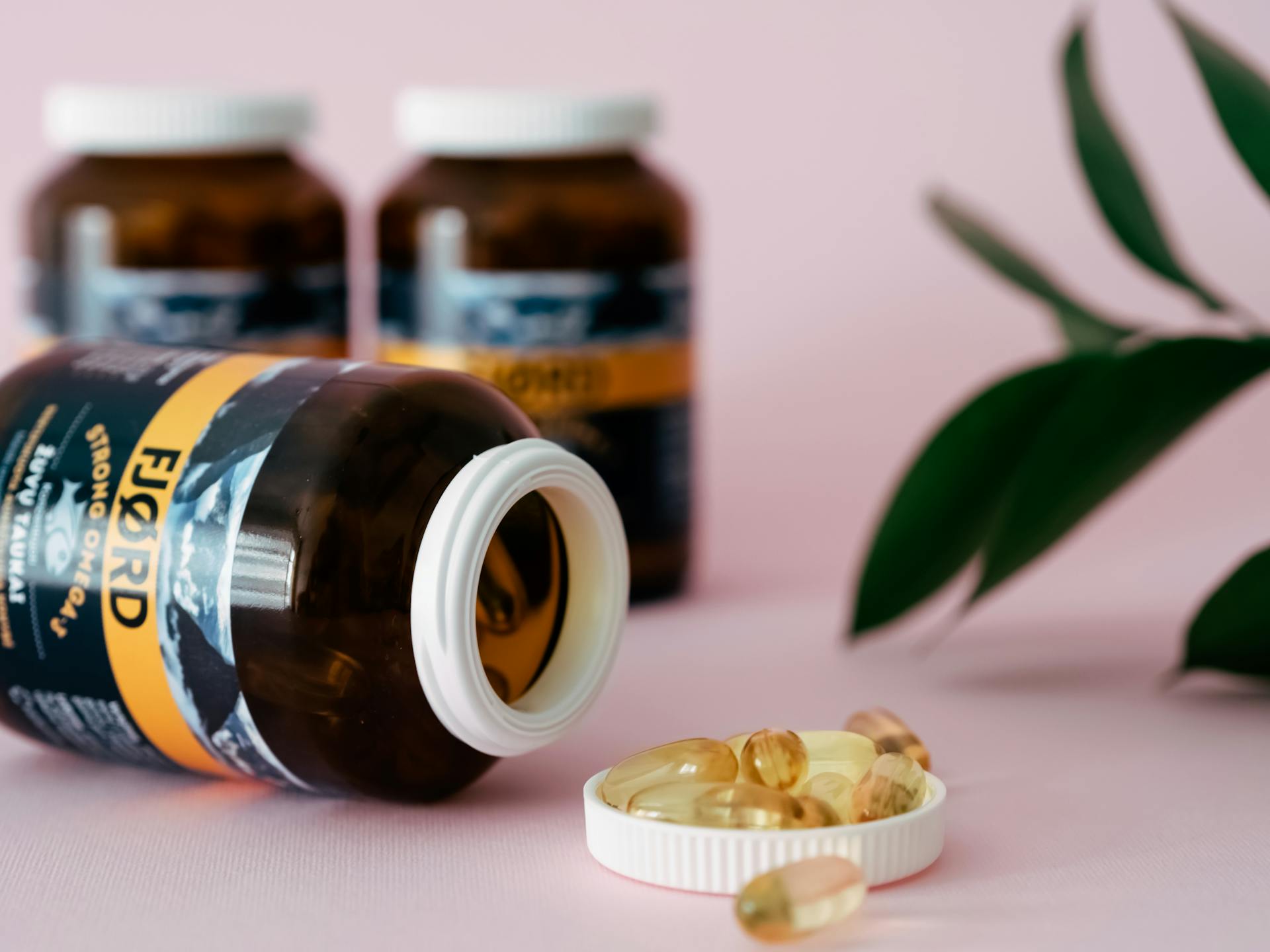
Proprietary blends let supplement companies hide ingredient doses behind a single number. Learn how fairy-dusting works and how to read a supplement label.

Looking for an AG1 alternative? Fireblood has 39 ingredients with every dose printed on the label. See how it compares.

That anxiety, brain fog, or low mood might not be a brain problem. 90% of your body’s serotonin is produced in your gut. Fix the gut, and your head often follows.

The RDA for vitamin C is 90mg, just enough to prevent scurvy. The research on immune function and collagen starts at 200mg and goes much higher.

Hitting your protein target isn’t the same as getting adequate essential amino acids. Digestion, absorption, and amino acid profiles all determine what your body actually gets.

Folic acid isn’t folate. Cyanocobalamin isn’t the B12 your body uses. The form on your supplement label matters more than the dose.

Before you reach for melatonin or sleeping pills, check your mineral levels. Three common nutrient deficiencies look exactly like insomnia.

You take vitamin D. Great. But D2 or D3? With K2 or without? With food or empty stomach? These details are the difference between wasting money and actually changing your health.

You’ve got 8 different supplement bottles on your shelf. You’re spending $100+ per month. And half of them might be cancelling each other out.

Up to 50% of Americans don’t get enough magnesium. Standard blood tests won’t catch it. Here’s what to look for, why it matters, and what to actually do about it.